
Education becomes more meaningful when students, teachers, families, institutions, and communities can communicate and work together. Education Connection can describe the links that connect learners with educational resources, instructors, support services, training opportunities, and academic pathways. These connections can help students discover learning options, receive guidance, and participate in educational experiences that match their goals. In a modern learning environment, communication and access to information are increasingly supported by digital platforms, online resources, community programs, and institutional networks. Strong educational connections can therefore contribute to participation, collaboration, and continued learning.
What Does Education Connection Mean?
The phrase education connection can refer broadly to the relationships and systems that link people with educational opportunities.
For students, this may include connections with teachers, classmates, counselors, schools, colleges, libraries, online learning platforms, and community organizations.
For educators, connections may involve professional networks, colleagues, families, educational resources, training programs, and institutions.
These relationships can create a support structure around learning rather than treating education as an activity that happens only inside a classroom.
Connecting Students With Learning Opportunities
Students may have different academic interests and career goals. Providing access to appropriate information can help them discover courses, programs, extracurricular activities, training opportunities, and other resources.
Schools can support this process through counseling, career guidance, information sessions, and digital resource centers.
Online platforms can also make it easier for students to explore educational opportunities beyond their immediate community.
The Role of Teachers
Teachers are among the most important connections in a student’s educational experience. They explain concepts, provide feedback, monitor progress, and encourage students to develop new skills.
A strong teacher-student relationship can also help learners feel comfortable asking questions and seeking assistance when they encounter difficulties.
Communication does not have to occur only during lessons. Conferences, digital messages, feedback on assignments, and group discussions can all contribute to continued interaction.
Family and School Connections
Families can play an important role in supporting education. Regular communication between families and schools can help create a better understanding of student progress, expectations, and areas that may require additional attention.
Schools may communicate through meetings, newsletters, online portals, emails, phone calls, and other systems.
When communication is clear and consistent, families can become more informed participants in the educational process.
Connecting Schools With Communities
Education does not exist separately from the wider community. Libraries, museums, businesses, nonprofit organizations, cultural institutions, and community groups can provide additional learning opportunities.
Community partnerships can expose students to practical experiences and different perspectives.
For example, students may participate in workshops, career events, community projects, internships, or educational visits that connect classroom concepts with real-world situations.
Digital Education Connections
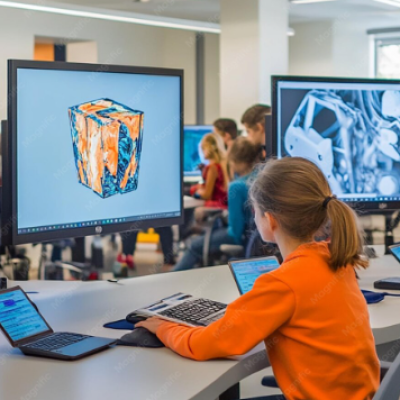
Technology has expanded the ways people connect with educational resources. Students can communicate with teachers through learning platforms, participate in virtual classes, collaborate on shared documents, and access digital libraries.
Digital connections can also support students who live far from educational institutions.
However, online communication works best when platforms are accessible, organized, and supported by clear expectations.
Peer Learning
Students can also learn from one another. Peer discussions, study groups, collaborative projects, and classroom activities create opportunities for learners to exchange ideas.
Working with classmates can help students explain concepts in their own words and encounter different approaches to solving problems.
Peer learning also develops communication and teamwork skills that can be useful beyond school.
Academic Advising and Guidance
Educational connections can help students make informed academic decisions. Advisors and counselors may provide information about course selection, graduation requirements, further education, career pathways, and available support.
Students may have difficulty identifying the right pathway without appropriate guidance. Advising services can help them understand available choices and organize their plans.
Effective advising also involves listening to individual interests and circumstances rather than providing the same recommendation to every student.
Career Connections
Education can provide connections between students and future career opportunities. Career fairs, internships, mentorship programs, workplace visits, and project-based learning can introduce students to different professional environments.
These experiences may help learners understand how academic subjects relate to workplace skills.
Career connections can also help students identify areas they may want to explore through additional education or training.
Higher Education Connections
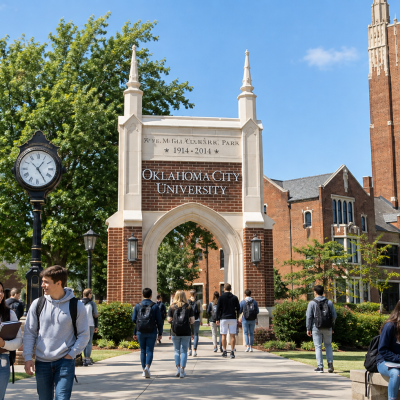
For students planning to attend college or university, connections with higher education institutions can provide useful information.
School counselors, college representatives, academic advisors, and online resources can help students learn about admissions requirements, programs, financial planning, and campus opportunities.
Early exposure to higher education options can help students understand different pathways before making important academic decisions.
Lifelong Learning
Education does not end when a person graduates from school or college. Adults may continue learning through professional development, online courses, certifications, workshops, community programs, and independent study.
Connections with educational institutions and digital learning platforms can make these opportunities easier to discover.
Lifelong learning can support personal interests as well as professional development.
Supporting Inclusive Learning
Strong educational connections can also help reduce barriers to participation. Students may need different forms of academic, technological, social, or accessibility support.
Schools can connect students with appropriate services, specialists, counselors, assistive resources, and community programs.
The goal is to make sure students know where to seek help and have reasonable opportunities to participate in learning.
The Importance of Communication
Communication is central to educational connections. Students need clear instructions, teachers need useful information about learning progress, and families need appropriate updates.
Poor communication can create confusion about assignments, schedules, expectations, and available support.
Digital tools can make communication faster, but clarity remains important. Messages should be organized, accessible, and appropriate for the intended audience.
Technology and Educational Networks
Modern educational systems often use multiple digital platforms. Learning management systems, student information systems, video conferencing tools, online libraries, and communication applications can connect different parts of the learning environment.
When these systems work effectively, students and educators can access information more easily.
However, schools also need to consider privacy, security, accessibility, and staff training when implementing digital systems.
Building Stronger Learning Communities
An effective learning community involves more than academic instruction. Students can benefit when teachers, families, administrators, counselors, and community organizations work toward shared educational goals.
Activities such as school events, group projects, mentoring programs, workshops, and community initiatives can strengthen relationships.
These connections can create a learning environment where students feel that education involves a broader network of people and resources.
Challenges in Educational Connections
Not every student has equal access to educational networks. Geographic location, technology access, financial circumstances, language barriers, and other factors can affect participation.
Schools and organizations need to identify these barriers and consider ways to make resources more accessible.
Digital platforms can expand access, but they do not automatically solve every challenge. Students may still need technical assistance, guidance, reliable connectivity, or alternative methods of participation.
The Future of Educational Connections
Education is likely to become increasingly connected through digital communication, collaborative platforms, community partnerships, and flexible learning models.
Students may have more opportunities to learn from instructors and resources located outside their immediate communities.
At the same time, personal relationships will remain important. Technology can make connections easier, but meaningful educational support still depends on communication, trust, guidance, and active participation.
Frequently Asked Questions
What does education connection mean?
It generally refers to the relationships and systems that connect students, educators, families, institutions, communities, and learning resources.
Why are educational connections important?
They can help students access academic guidance, learning resources, support services, career information, and opportunities for collaboration.
How can technology improve educational connections?
Digital platforms can support communication, online classes, collaborative projects, resource sharing, virtual advising, and access to educational materials.
Can families contribute to educational connections?
Yes. Communication between families and schools can help support student progress, clarify expectations, and identify areas where additional assistance may be useful.
How do community organizations support education?
Community organizations can provide workshops, mentorship, internships, cultural experiences, resources, and practical learning opportunities.
Are educational connections useful after graduation?
Yes. Adults can continue building connections through professional training, online courses, universities, community programs, and other lifelong learning opportunities.
Conclusion
Learning is supported by relationships as well as resources. Education Connection can represent the networks that link students with teachers, families, schools, communities, digital platforms, career opportunities, and continuing education. These relationships can improve access to information and create additional opportunities for collaboration and guidance. As technology continues to expand the ways people communicate and learn, strong human relationships will remain an important foundation for meaningful educational experiences.