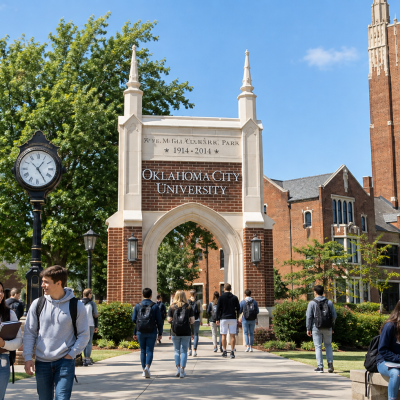
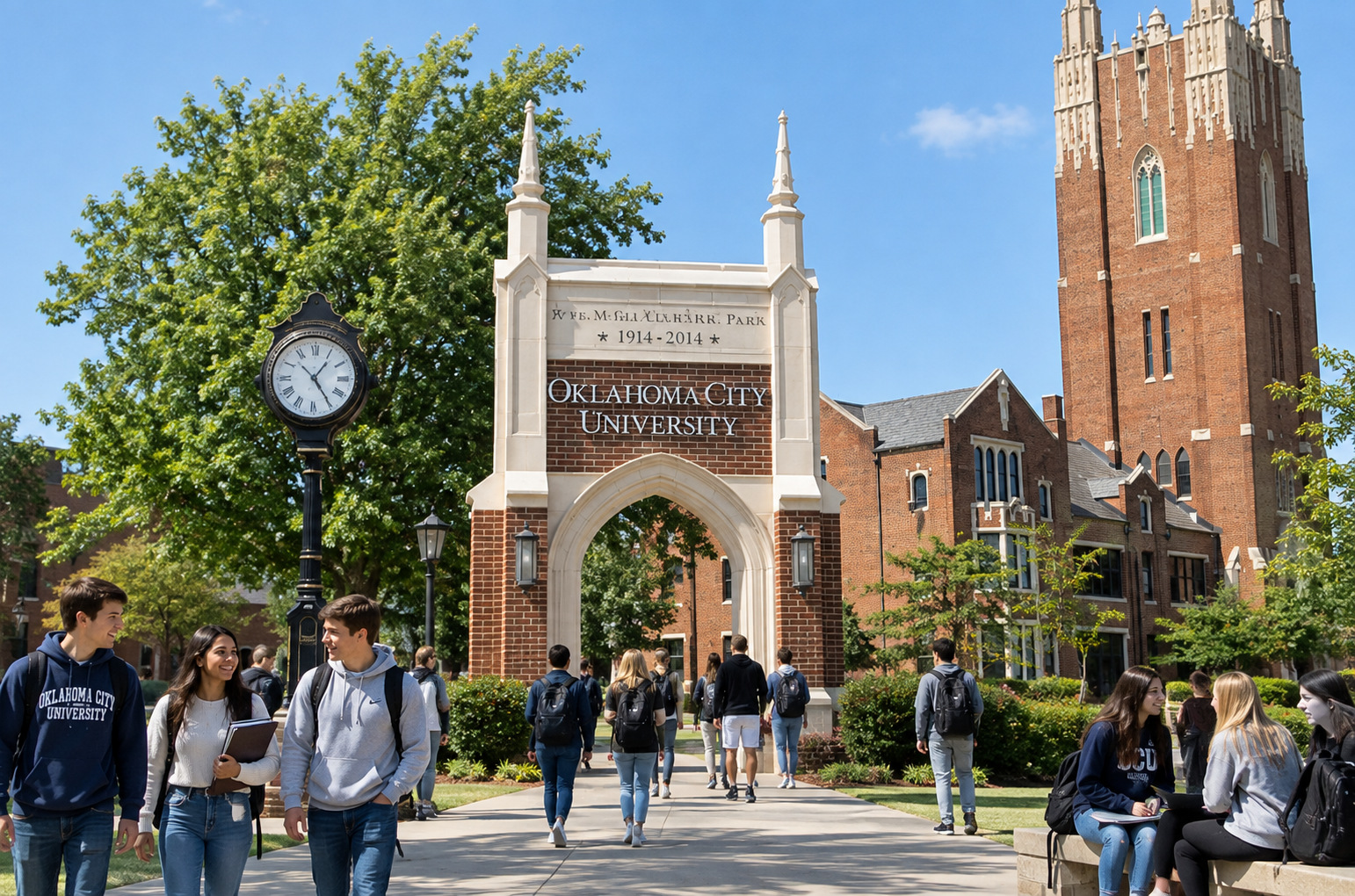
Education rankings can provide a broad way to compare school systems, but different organizations use different measurements. Test performance, graduation rates, school resources, attendance, and other indicators can all affect the results. The Oklahoma education ranking varies depending on the organization and methodology being used. In 2026, several reports have highlighted challenges involving academic performance and educational outcomes in the state, while Oklahoma’s own school accountability system uses multiple indicators to evaluate individual schools. Looking at the underlying data rather than relying on a single ranking can provide a more useful picture of the state’s education system.
Understanding Education Rankings
An education ranking is generally created by combining several measurements into an overall position or score. Different organizations may emphasize different aspects of education.
Some rankings focus primarily on academic achievement, while others include graduation rates, funding, teacher qualifications, school quality, or student outcomes.
Because methodologies differ, Oklahoma can receive different positions from different ranking organizations during the same period. Readers should therefore check what a particular ranking measures before comparing results.
Oklahoma’s National Education Position
Recent 2026 reports show that Oklahoma continues to face challenges in several education measures.
The Annie E. Casey Foundation’s 2026 KIDS COUNT Data Book placed Oklahoma 48th nationally in its education category. The ranking included measures related to fourth-grade reading, eighth-grade mathematics, high school graduation, and early childhood education participation.
Another 2026 analysis discussed by Oklahoma Watch reported that WalletHub placed Oklahoma 50th among the 50 states and Washington, D.C., using a broader collection of education-related measures.
These results illustrate why the source and methodology matter when discussing statewide education rankings.
Academic Achievement
Academic achievement is one of the most important components used in many education comparisons.
Oklahoma’s school accountability system measures academic achievement alongside other indicators. The state’s report cards can show performance at individual schools and provide comparisons with statewide results.
National assessments such as NAEP also provide information that can be used to compare student performance across states.
Looking at individual subjects can be more informative than relying only on an overall state position. Reading, mathematics, science, and other subjects can show different patterns of performance.
Reading Performance
Reading achievement is a significant part of Oklahoma’s education discussion.
The 2026 KIDS COUNT education ranking reported that Oklahoma ranked 48th for the percentage of fourth graders performing below the proficient reading level.
Reading skills developed during elementary school can influence later academic progress because students increasingly need strong comprehension skills as coursework becomes more complex.
Schools can use assessment information to identify areas where students need additional instruction and support.
Mathematics Performance
Mathematics is another major component of education assessments.
The same KIDS COUNT report placed Oklahoma 49th for the percentage of eighth graders performing below the proficient level in mathematics.
Math performance can influence preparation for advanced coursework, technical education, college study, and careers that require quantitative skills.
Improving mathematics outcomes can therefore involve classroom instruction, curriculum support, tutoring, teacher development, and consistent assessment.
High School Graduation
Graduation rates provide another important way to examine educational outcomes.
The 2026 KIDS COUNT data placed Oklahoma 41st for the percentage of high school students who were not graduating on time.
Graduation data can reveal information that test scores alone cannot show. Students may face attendance issues, academic difficulties, financial pressures, transportation challenges, or other circumstances that affect their ability to complete high school on schedule.
Early Childhood Education
Early learning is also included in some statewide education comparisons.
The 2026 KIDS COUNT report measured the percentage of young children ages three and four who were not enrolled in school. Oklahoma ranked 42nd on this measure, tied with several other states.
Early childhood education can help children develop language, social, and foundational academic skills before they enter elementary school.
Oklahoma School Report Cards
Oklahoma provides its own public school report card system rather than relying solely on national rankings.
The state report card measures several indicators, including academic achievement, academic growth, chronic absenteeism, English-language progress, postsecondary opportunities, and high school graduation rates.
Schools receive overall letter grades based on the state’s accountability framework.
This system gives parents, educators, and communities a way to examine individual schools instead of viewing education only through a statewide ranking.
Why Multiple Measures Matter
No single measurement can describe an entire education system.
For example, a school may demonstrate strong academic growth while facing challenges with attendance. Another school may have high graduation rates but need improvement in particular academic subjects.
Oklahoma’s official report card recognizes this by combining several indicators rather than relying on one number.
Using multiple measures can provide a broader view of educational performance.
Education Funding
Funding is another factor frequently discussed alongside education outcomes.
A 2026 analysis reported that Oklahoma ranked 49th nationally in per-pupil education spending despite recent increases in state education funding.
Funding levels can influence the resources available for teachers, instructional materials, technology, facilities, student programs, and support services.
However, spending alone does not explain every difference in educational performance. Student demographics, local conditions, instructional practices, and other factors can also influence outcomes.
Teacher Resources
Teachers play an important role in student learning.
School systems need qualified educators, appropriate classroom resources, professional development, and effective support structures.
Oklahoma’s public school report cards include contextual information such as educator qualifications and per-pupil expenditures, allowing users to examine school performance alongside additional background information.
This type of information can help provide context when interpreting school results.
Graduation and Postsecondary Preparation
Education success extends beyond completing high school.
Oklahoma’s accountability system includes progress toward postsecondary opportunities among its measures.
Students may prepare for college, technical education, workforce programs, apprenticeships, or direct employment after graduation.
A strong education system therefore needs to prepare students for different pathways rather than measuring success only through standardized assessments.
How Parents Can Use Ranking Information
Parents researching schools can use rankings as one source of information, but they should also examine individual school data.
The Oklahoma School Report Card allows users to search by school or district and review indicators for specific institutions. Previous reporting years can also be selected to examine performance over time.
Parents may also consider course offerings, extracurricular activities, student support, transportation, school environment, and other factors that are important to their individual circumstances.
Looking Beyond a Single Number
A statewide ranking can attract attention because it provides an easy-to-understand position. However, a ranking does not show every aspect of education.
Two organizations can produce different results because they use different datasets, weights, and definitions.
For this reason, anyone researching Oklahoma education should look at the methodology behind the ranking and examine the underlying indicators.
Education Improvement Efforts
Oklahoma has continued to discuss education improvement through literacy initiatives, teacher compensation, school accountability, instructional policies, and other measures.
The University of Oklahoma’s 2026 Oklahoma Education Poll examined public views of the state’s schools and education system, showing that Oklahomans’ perceptions of both local schools and statewide education management varied but were generally negative in the survey.
These perceptions provide another perspective, although public opinion should be distinguished from direct measures of student achievement.
Frequently Asked Questions
What is Oklahoma’s education ranking?
There is no single universal ranking. Different organizations use different methods. For example, the 2026 KIDS COUNT Data Book placed Oklahoma 48th in its education category, while a WalletHub ranking discussed by Oklahoma Watch placed the state 50th among states and Washington, D.C.
What factors affect Oklahoma education rankings?
Common factors include academic achievement, mathematics and reading performance, graduation rates, attendance, teacher qualifications, education spending, and postsecondary preparation.
Does Oklahoma have its own school ranking system?
Oklahoma operates a public school report card and accountability system that assigns school grades using multiple indicators.
Why do education rankings differ?
Organizations use different data sources, time periods, indicators, weighting systems, and definitions. Therefore, two rankings can produce different results for the same state.
How can parents research Oklahoma schools?
Parents can review the Oklahoma School Report Card, examine individual school indicators, compare previous years, and consider factors such as programs, support services, and school offerings.
Conclusion
The Oklahoma education ranking provides one way to examine statewide educational conditions, but it should not be viewed as the only measure of school quality. Current 2026 reports show that Oklahoma faces challenges in areas including reading, mathematics, graduation, and early childhood enrollment, while the state’s own accountability system evaluates schools through a broader set of indicators. Looking at individual measures, school-level information, and changes over time can provide a more complete understanding of education in Oklahoma than relying on a single national position.