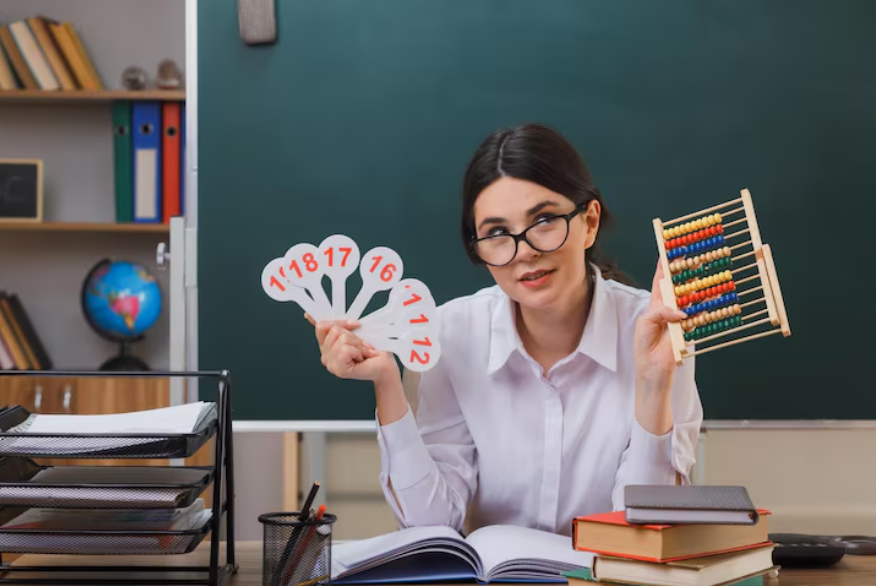
A special education teacher helps students with disabilities and learning differences access education through personalized instruction, classroom support, and individualized learning strategies. These educators work closely with students, families, general education teachers, and other professionals to create supportive learning environments. Their role can include adapting lessons, monitoring academic progress, supporting communication, encouraging independence, and helping students participate meaningfully in school activities.
What Is a Special Education Teacher?
A special education teacher is an educator who provides specialized instruction and support to students who have disabilities or specific educational needs. Depending on the student’s circumstances, support may address academic skills, communication, behavior, social development, organization, or independent living skills.
Rather than expecting every student to learn in exactly the same way, special education focuses on understanding individual strengths and challenges. Teachers can then select instructional approaches and classroom accommodations that help students participate in learning.
In the United States, individualized education is often organized through an Individualized Education Program, or IEP. An IEP identifies educational goals and the services, supports, accommodations, and modifications a student may require.
What Does a Special Education Teacher Do?
The daily responsibilities of a special educator can vary depending on the school, grade level, and students being served. Common responsibilities include:
- Developing individualized lesson plans
- Adapting classroom materials
- Providing one-on-one or small-group instruction
- Supporting students in inclusive classrooms
- Monitoring academic and behavioral progress
- Participating in IEP meetings
- Communicating with parents and caregivers
- Collaborating with general education teachers
- Using assistive technology when appropriate
- Teaching organization and independent learning skills
- Documenting student progress
Teachers may also help students develop skills that extend beyond traditional academic subjects. Communication, self-advocacy, social interaction, and independence can all be important components of a student’s educational development.
Why Individualized Instruction Matters
Students do not all respond to the same teaching methods. One student may understand a concept after reading written instructions, while another may benefit from visual demonstrations, hands-on activities, repetition, or additional guided practice.
Individualized instruction allows educators to adjust teaching according to a student’s needs. A teacher might divide a complicated assignment into smaller steps, provide additional examples, use visual schedules, or offer alternative ways for students to demonstrate their understanding.
The goal is not simply to reduce the difficulty of schoolwork. Appropriate support should help students access meaningful instruction and make progress toward their educational goals.
The Role of Inclusive Education
Inclusive education provides opportunities for students with disabilities to participate in general education environments while receiving appropriate support.
In an inclusive classroom, a special educator may collaborate with a general education teacher to adapt lessons, provide targeted assistance, organize small-group instruction, or implement accommodations.
The U.S. Department of Education has emphasized accessible learning environments, differentiated instruction, individualized accommodations, family engagement, and appropriate supports as important components of inclusive educational practices.
Inclusion can also create opportunities for students to develop relationships with peers and participate in classroom activities alongside other students.
Skills Needed for Special Education Teachers
Teaching students with diverse learning needs requires a combination of professional knowledge and interpersonal skills.
Patience and Flexibility
Students may require different amounts of time and different instructional approaches. Patience allows teachers to provide support without making students feel discouraged.
Communication
Clear communication is essential when working with students, families, teachers, administrators, and other professionals. Teachers need to explain goals, share progress, and listen carefully to concerns.
Organization
Special education can involve lesson planning, progress monitoring, documentation, meetings, and individualized goals. Strong organizational skills help educators manage these responsibilities effectively.
Creativity
Teachers often need to find alternative ways to explain a concept. Visual materials, demonstrations, technology, games, and hands-on activities can make instruction more accessible.
Collaboration
Students frequently receive support from several people. Effective collaboration helps ensure that teachers and families understand the student’s goals and use consistent strategies.
Supporting Students Beyond Academics
Education is not limited to reading, writing, and mathematics. Students may also need opportunities to develop communication, social, organizational, and self-management skills.
For example, a teacher might help a student learn how to organize school materials, follow a classroom routine, ask for assistance, participate in group activities, or communicate personal needs.
Developing these skills can help students become more confident and independent over time.
Technology in Special Education
Technology can provide additional ways for students to access educational content and communicate their understanding. Depending on individual needs, students may use text-to-speech tools, speech-to-text applications, digital organizers, communication devices, visual schedules, or other assistive technologies.
The most useful technology is not necessarily the newest technology. Teachers should consider whether a particular tool addresses a specific educational need and supports the student’s goals.
When used appropriately, technology can help remove barriers and give students additional ways to participate in classroom activities.
How Teachers Monitor Student Progress
Progress monitoring is an important part of effective special education. Teachers collect information about student performance and use it to determine whether current instructional strategies are producing progress.
If a student continues to struggle, the teacher may adjust the lesson, provide additional practice, change the instructional approach, or introduce another support.
When a student demonstrates greater independence, assistance can gradually be reduced. This helps prevent unnecessary dependence on adult support while allowing the student to continue developing skills.
Working With Families
Parents and caregivers can provide valuable information about a student’s strengths, interests, communication style, and experiences outside school.
Regular communication between educators and families can support consistency and help teachers understand the student’s needs more completely.
Family involvement can be especially useful when establishing educational goals and discussing progress. A collaborative relationship allows everyone involved to focus on the student’s development and educational experience.
Challenges in Special Education
Special education teachers can face demanding professional responsibilities. They may work with students who have significantly different needs while also managing lesson planning, documentation, meetings, assessments, and communication.
Limited resources, large workloads, and the need to coordinate with multiple professionals can create additional challenges.
Professional development, supportive school leadership, collaboration, adequate resources, and effective planning can help educators manage these responsibilities.
How to Become a Special Education Teacher
The requirements for becoming a special education teacher vary by country, state, and educational system. In the United States, prospective teachers generally need appropriate education and teacher certification or licensure requirements for their state.
A typical pathway may include:
- Completing an appropriate teacher education program.
- Gaining classroom experience through supervised teaching.
- Meeting applicable certification or licensure requirements.
- Developing knowledge of special education practices.
- Completing any required examinations or background checks.
- Continuing professional development throughout the teaching career.
Anyone considering this career should check the requirements of the specific state or educational authority where they intend to work.
Final Thoughts
A career in special education involves much more than delivering adapted lessons. It combines individualized instruction, collaboration, communication, progress monitoring, and a commitment to helping students participate in meaningful learning experiences. By recognizing individual strengths and providing appropriate support, educators can help students build academic abilities, confidence, communication skills, and greater independence.
Frequently Asked Questions
1. What is a special education teacher?
A special education teacher provides specialized instruction and support to students with disabilities or other educational needs. Their responsibilities can include adapting lessons, monitoring progress, implementing accommodations, and collaborating with families and other educators.
2. What does a special education teacher do every day?
Daily responsibilities can include teaching individual or small groups of students, adapting educational materials, monitoring progress, communicating with families, documenting information, and collaborating with other teachers and school professionals.
3. What skills are important for special education teachers?
Important skills include communication, patience, flexibility, organization, creativity, collaboration, problem-solving, and knowledge of individualized instructional strategies.
4. Do special education teachers work in regular classrooms?
Yes. Special educators may work in specialized classrooms, general education classrooms, resource settings, or a combination of environments, depending on student needs and the school’s educational model.
5. Why is individualized instruction important?
Individualized instruction allows educators to adjust teaching methods, materials, pacing, and support according to a student’s learning needs. This can make educational content more accessible and support progress toward individual goals.
6. Can technology help students with disabilities?
Technology can provide additional ways to access information, communicate, organize tasks, and demonstrate knowledge. The appropriate technology depends on the student’s individual needs and educational goals.
7. What is an IEP?
An Individualized Education Program, or IEP, is a formal education plan used in U.S. special education. It outlines a student’s educational goals and identifies applicable services, supports, accommodations, and modifications.
8. Is special education teaching a rewarding career?
The experience can vary from person to person. The profession involves significant responsibilities and challenges, but educators may also find meaning in helping students develop academic, communication, social, and independent living skills.

1 Comment
[…] Read more: Special Education Teacher Roles, Skills, Responsibilities, and Career Guide […]