
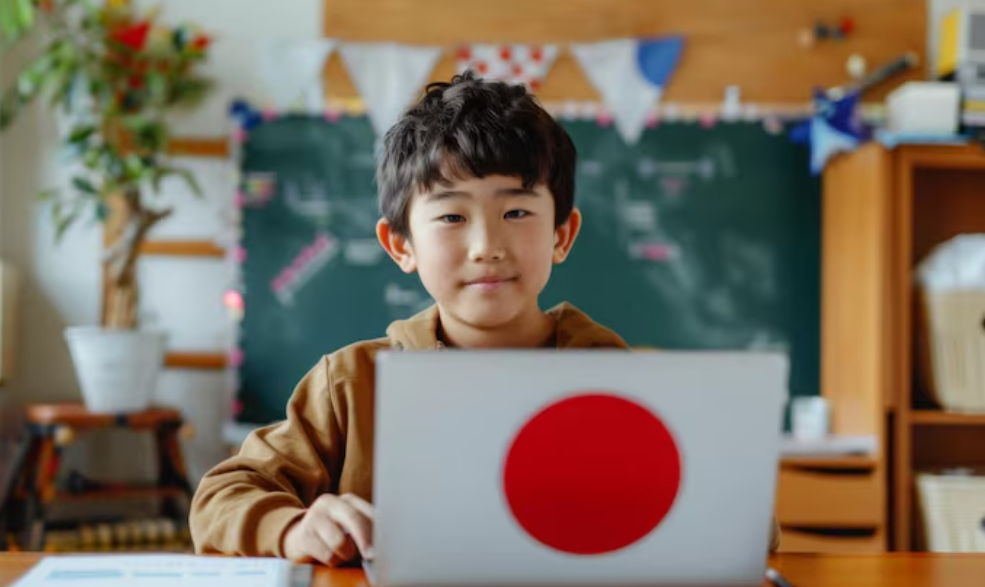
Following Japan education policy news is important for understanding how the country’s schools, teachers, students, and universities are adapting to changing educational needs. In 2026, Japan’s education system is seeing developments involving curriculum reform, digital textbooks, artificial intelligence, education technology, teacher support, and the next national Basic Plan for the Promotion of Education. The Ministry of Education, Culture, Sports, Science and Technology (MEXT) continues to develop policies intended to respond to demographic, technological, and social changes.
Japan’s Education Policy in 2026
Japan’s education policy is shaped largely by MEXT, while the Digital Agency and other government bodies also participate in education-related digital transformation initiatives.
One significant development is the preparation of Japan’s Fifth Basic Plan for the Promotion of Education. In August 2026, MEXT submitted the matter to the Central Council for Education for deliberation. The current Fourth Basic Plan was approved by the Cabinet in June 2023.
The next plan is expected to provide a framework for education policy in the years ahead and may influence priorities involving schools, higher education, digital learning, teacher support, and lifelong education.
Digital Textbooks Are Becoming More Important
One of the notable areas in current education policy is the increased use of digital technology in textbooks and classroom learning.
MEXT announced in September 2026 that new textbook options will become available from fiscal 2030 following legislation passed in June 2026. The policy does not mean that all textbooks will become digital. Instead, it is intended to allow paper and digital formats to be used according to their respective strengths.
This approach could give schools more flexibility in how educational materials are presented. Digital resources may provide interactive features and accessibility options, while printed materials can continue to support students who prefer or benefit from physical textbooks.
Artificial Intelligence and the Future Curriculum
Artificial intelligence is another growing topic in Japanese education policy. Recent reports indicate that Japan’s education ministry has been working on draft plans for the next national curriculum guidelines that include increased opportunities for students to learn about and use AI.
AI education raises several practical questions for schools. Students need opportunities to understand how AI systems work, how to use them responsibly, and how to evaluate information produced by automated systems.
For teachers, AI may also become a tool for lesson preparation and other educational tasks. However, technology is being considered as part of broader educational reform rather than as a replacement for teachers.
Education Digital Transformation
Japan’s government is also advancing an education digital transformation strategy. The Digital Agency says its education DX efforts are designed to reduce administrative burdens on school personnel, develop learning environments for diverse learners, and improve education through appropriate use of educational data.
The government’s education DX roadmap is organized around several areas, including reducing staff workloads through digitalization, supporting diverse learning environments, improving the use of learning data, and supporting research and education policy through data.
For schools, this could mean greater use of digital platforms, educational data, online resources, and technology-assisted administrative processes.
Teacher Development and Professional Learning
Teachers remain central to Japan’s education system, even as technology becomes more prominent.
A recent education exchange involving teachers from Telangana, India, highlighted several Japanese approaches, including lesson study. Under this model, teachers collaboratively plan lessons, observe classroom teaching, and reflect on outcomes as part of professional development.
This illustrates how teacher development can be connected to classroom practice rather than relying exclusively on formal training sessions.
Professional collaboration can also help teachers identify effective instructional approaches and respond to changing curriculum expectations.
Academic Performance and International Assessments
International assessment results continue to attract attention in discussions about Japanese education.
According to reporting on the OECD’s 2025 Programme for International Student Assessment, Japan remained among the strongest-performing OECD education systems. Japanese 15-year-olds recorded average scores of 503 in reading, 538 in science, and 536 in mathematics.
The results also show that Japan’s performance remained relatively stable while average OECD scores declined over the longer period examined. However, international assessments measure selected academic skills and should not be treated as a complete measure of an education system.
Support for Diverse Students
Another area receiving policy attention is educational support for students from different linguistic and cultural backgrounds.
MEXT has convened an expert group concerning education for foreign children and other students from immigrant backgrounds.
Research published in 2026 has also examined education policies for children of immigrants in Japan, highlighting differences in access to support across regions and the importance of language education, family involvement, and inclusive educational practices. The study notes that Japan’s decentralized system can produce regional differences in available support.
As Japan’s population becomes more diverse, schools may need to respond to students who have different language abilities, cultural backgrounds, and educational experiences.
Changes Affecting Higher Education
Education policy discussions are not limited to elementary and secondary schools. Japan is also working on higher education reforms.
MEXT’s 2026 announcements include discussions concerning national universities, graduate education, professional schools, and measures intended to strengthen higher education institutions. In August 2026, MEXT announced planned national university enrollment capacities for fiscal 2027 and continued work on strengthening the functions of colleges of technology.
These developments reflect broader efforts to connect higher education with research, workforce needs, international competitiveness, and demographic changes.
What These Policies Mean for Students
For students, education reforms can affect the way they access learning materials, interact with technology, and develop skills for further education and employment.
The expansion of digital learning may provide additional flexibility, while AI-related education could help students develop skills relevant to a technology-driven economy.
At the same time, the continued emphasis on teachers, classroom instruction, and professional development shows that education policy is not focused exclusively on technology. Human interaction, instructional quality, and student support remain central components.
What These Changes Mean for Teachers
Teachers are likely to remain important as Japan introduces new educational technologies and curriculum approaches.
Digital tools may reduce some administrative tasks and provide additional resources for instruction. However, teachers also need professional development to use new technologies effectively and responsibly.
The continuing attention to lesson study and collaborative professional learning demonstrates the importance of teacher expertise in implementing educational reforms.
Looking Ahead
Japan’s education system is entering a period of continued policy development. The preparation of the Fifth Basic Plan for the Promotion of Education, planned changes to textbook formats, increasing attention to AI, and ongoing education DX initiatives could shape schools and learning environments over the coming years.
The central challenge will be balancing innovation with accessibility, teacher support, educational quality, and the diverse needs of students. Current Japan education policy news shows that the country’s education strategy is increasingly connecting traditional classroom practices with digital tools and new approaches to learning.
Frequently Asked Questions
What is the latest education policy news from Japan?
Recent developments include preparation of the Fifth Basic Plan for the Promotion of Education, plans allowing new digital textbook options from fiscal 2030, continued education DX initiatives, and curriculum discussions involving AI and other emerging technologies.
What is Japan’s education DX policy?
Japan’s education DX policy uses digital technology and educational data to support diverse learning, reduce administrative workloads, and improve educational quality. The Digital Agency coordinates with MEXT and other government bodies on these initiatives.
Will Japan replace printed textbooks with digital textbooks?
Not entirely. MEXT says the changes planned from fiscal 2030 are intended to create additional textbook options, allowing paper and digital formats to be used according to their respective advantages.
Is Japan introducing more AI education?
AI is increasingly appearing in discussions surrounding Japan’s next curriculum guidelines. Recent reporting says MEXT has developed draft plans that include more AI-related study in schools.
What is Japan’s Fifth Basic Plan for the Promotion of Education?
It is the planned successor to the Fourth Basic Plan and is intended to establish a national framework for promoting education. MEXT referred the development of the fifth plan to the Central Council for Education in August 2026.
How does Japan support foreign students in schools?
Japan has policy initiatives addressing the education of foreign children and other students from immigrant backgrounds. Support can include language assistance and measures intended to improve educational access, although research has identified regional differences in implementation.
What can teachers learn from Japan’s education system?
One notable practice is lesson study, where teachers collaboratively plan lessons, observe classroom teaching, and reflect on results. This approach has been highlighted in international education exchanges involving Japanese institutions.


2 Comments
[…] Read Also : Japan Education Policy News Latest Reforms, Digital Learning and School Changes […]
[…] Read more : Japan Education Policy News Latest Reforms, Digital Learning and School Changes […]