Secondary education is an important stage of learning that generally follows primary education and prepares students for higher studies, vocational training, employment, and adult life. During these years, students develop academic knowledge while also building communication, critical thinking, social, and practical skills. The subjects and structure of secondary education vary between countries and education systems, but the overall purpose is to help learners become more independent and prepared for future opportunities. This stage can also help students discover personal interests, understand different career paths, and develop habits that support lifelong learning. A balanced secondary education combines academic instruction with personal, social, and career development.
What Is Secondary Education?
Secondary education refers to the level of schooling that comes after primary or elementary education and before higher or tertiary education. It commonly includes students in their early and later teenage years, although the exact age range differs between education systems.
Schools at this level usually offer a broader range of subjects than primary schools. Students may study mathematics, science, languages, social studies, technology, arts, physical education, and other specialized subjects.
Secondary education may be divided into lower and upper levels. The first stage generally builds on foundational knowledge, while the later stage may provide greater specialization and preparation for university, vocational education, or employment.
Importance of Secondary Education
Secondary education provides students with knowledge and skills needed for the next stage of life. It helps learners move beyond basic literacy and numeracy toward more advanced academic concepts and practical applications.
Students begin to develop stronger analytical abilities during these years. They may be expected to research information, evaluate evidence, solve complex problems, write structured assignments, and communicate ideas clearly.
The stage is also important because students begin making decisions about their future. Subject choices, examinations, extracurricular activities, and career guidance can influence the pathways available after school.
Main Subjects in Secondary Education
The subjects offered at secondary schools depend on the education system and individual institution. Core subjects often include mathematics, science, language, social studies, and physical education.
Students may also have access to computer science, economics, business, geography, history, art, music, foreign languages, and vocational subjects.
At higher levels, learners may be able to select subjects according to their interests or future plans. This specialization allows students to explore areas they may want to study in greater depth later.
A broad curriculum can help students develop knowledge across multiple disciplines before making more specific educational or career decisions.
Academic Development
One of the primary purposes of secondary education is to strengthen academic understanding. Students encounter more advanced concepts and are expected to become increasingly responsible for their learning.
Teachers may use lectures, classroom discussions, experiments, projects, presentations, assignments, and assessments to support learning.
Students also learn how to manage longer assignments and prepare for examinations. These experiences can develop organization, time management, research skills, and independent study habits.
Academic development at this stage can provide a foundation for higher education and professional training.
Critical Thinking and Problem Solving
Secondary education can help students develop the ability to analyze information rather than simply memorize facts.
In science, students may examine evidence and conduct experiments. In mathematics, they may solve multi-step problems. In social studies, they may compare historical events or evaluate different perspectives.
These activities encourage learners to ask questions, examine evidence, identify relationships, and reach reasoned conclusions.
Problem-solving skills are useful beyond school because students encounter decisions and challenges in personal, academic, and professional environments.
Social and Emotional Development
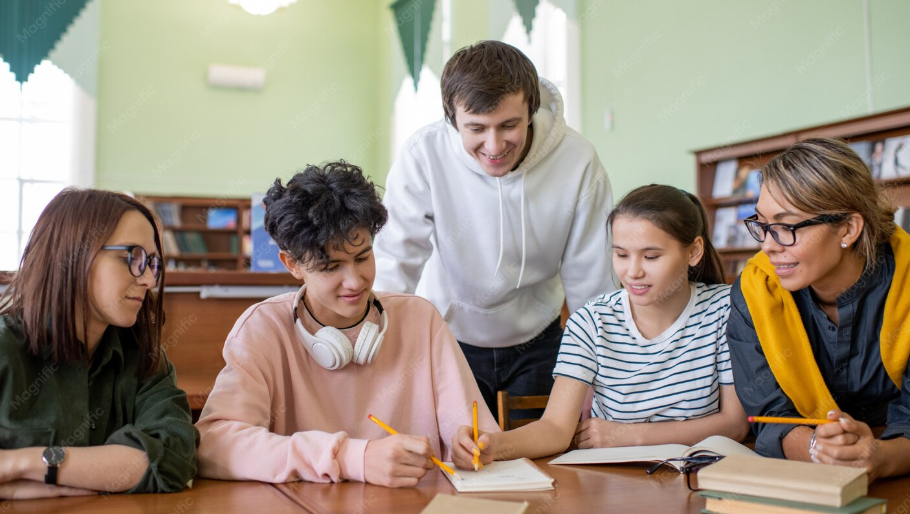
Secondary school years are also a period of significant personal and social development. Students interact with classmates from different backgrounds and participate in group activities, discussions, projects, and extracurricular programs.
These experiences can help students develop communication, cooperation, empathy, responsibility, and conflict-resolution skills.
Schools can support students by providing a respectful learning environment and access to appropriate guidance and support services.
The social side of education is important because successful development involves more than academic achievement.
Technology in Secondary Education
Technology has become an important part of modern secondary education. Students may use computers, tablets, educational platforms, digital libraries, presentation tools, and online resources as part of their learning.
Technology can support research, collaboration, communication, and creative projects. Digital tools can also provide students with different ways to present their understanding of a subject.
At the same time, students need to learn responsible digital behavior. This includes evaluating online information, protecting personal information, understanding digital communication, and recognizing unreliable sources.
Digital literacy is increasingly relevant to further education and employment.
Role of Teachers
Teachers have an important role in helping secondary students understand more complex subjects. Their responsibilities include planning lessons, explaining concepts, assessing progress, providing feedback, and supporting classroom participation.
Teachers can also encourage students to become more independent learners. Rather than providing every answer, they can guide students toward researching information, evaluating evidence, and developing their own solutions.
Effective teaching can also recognize that students learn at different rates and may have different interests and educational needs.
Assessment and Examinations
Assessment is commonly used to measure student understanding and progress. Schools may use quizzes, assignments, projects, presentations, practical work, classroom participation, and examinations.
Examinations can play an important role in determining readiness for the next educational stage, although assessment systems differ considerably between countries.
Regular assessment can help teachers identify areas where students need additional support. It can also give learners information about their strengths and areas for improvement.
A balanced assessment approach can evaluate both knowledge and the ability to apply that knowledge.
Career Preparation
Secondary education can introduce students to different career possibilities. Career guidance programs may help students understand occupations, educational requirements, skills, and training pathways.
Some schools offer vocational subjects or practical programs that allow learners to develop skills related to particular industries.
Students may also learn about universities, colleges, apprenticeships, technical institutions, and other post-school options.
Early exposure to career information can help students make more informed decisions about future education and employment.
Vocational Education
Vocational education can be an important component of secondary schooling. It focuses on practical knowledge and skills related to specific occupations or industries.
Programs may cover areas such as information technology, engineering, hospitality, healthcare, agriculture, business, design, construction, and other fields.
Vocational pathways can provide students with practical experience while allowing them to continue developing general academic skills.
The availability of these programs depends on the country, region, and individual school.
Extracurricular Activities
Learning does not take place only inside classrooms. Secondary schools may offer sports, music, debate, drama, student clubs, community projects, competitions, and other extracurricular activities.
Participation can provide opportunities to develop leadership, teamwork, communication, creativity, and organizational skills.
Extracurricular activities can also help students discover interests that may not be covered extensively in academic subjects.
A balanced school experience can therefore include both classroom learning and activities outside regular lessons.
Importance of Communication Skills
Communication becomes increasingly important during secondary education. Students are often required to write essays, deliver presentations, participate in discussions, complete group projects, and communicate their ideas clearly.
Developing strong written and spoken communication skills can help students in higher education and future workplaces.
Learning to listen carefully is equally important. Effective communication involves understanding other viewpoints, asking appropriate questions, and responding clearly.
Inclusive Secondary Education
Secondary education should provide meaningful learning opportunities for students with different abilities, backgrounds, interests, and learning needs.
Schools can support inclusion through adapted teaching methods, accessible resources, additional academic support, and appropriate classroom accommodations.
An inclusive environment can help students participate more confidently and interact with classmates from different backgrounds.
The specific support available depends on the education system and the resources of individual institutions.
Challenges in Secondary Education
Students may experience several challenges during secondary school. Academic pressure, examinations, changing social relationships, time management, and uncertainty about future careers can make this stage demanding.
Schools and families can support students by encouraging healthy study habits, open communication, realistic goal setting, and appropriate academic guidance.
Schools may also face challenges involving class sizes, resources, teacher availability, technology access, and differences in student achievement.
Addressing these challenges requires cooperation between educators, families, communities, and education authorities.
Secondary Education and Higher Studies
For students planning to attend college or university, secondary education can provide an important academic foundation.
Advanced subjects may prepare learners for specific areas of higher study. For example, students interested in science-related fields may choose relevant science and mathematics subjects, while those interested in humanities may explore languages, history, literature, or social sciences.
However, requirements vary between institutions and countries. Students should understand the admission requirements associated with their intended pathway.
Preparing Students for Adult Life
Secondary education is not only preparation for examinations. It can also teach practical skills that students may use throughout adulthood.
These may include managing time, working with others, communicating effectively, setting goals, solving problems, making responsible decisions, and using digital tools.
Financial awareness, health education, civic knowledge, and career planning may also contribute to broader preparation for independent life.
The combination of academic and practical learning can help students approach future responsibilities with greater awareness.
Future of Secondary Education
Secondary education continues to evolve as technology, employment requirements, and social needs change. Schools are increasingly exploring digital learning, project-based education, career-focused programs, personalized instruction, and interdisciplinary learning.
Artificial intelligence and other emerging technologies may also influence how students research information, complete assignments, and interact with educational resources.
At the same time, foundational skills such as reading, writing, mathematics, communication, critical thinking, and collaboration remain important.
Future education systems will likely continue balancing traditional academic knowledge with practical and digital skills.
Conclusion
Secondary education represents an important stage between foundational schooling and future academic, vocational, or professional pathways. It provides students with opportunities to strengthen subject knowledge, develop critical thinking, improve communication, explore careers, and build social skills. A strong secondary education can also encourage independence, responsibility, creativity, and lifelong learning. While education systems differ in structure and curriculum, the broader goal remains to prepare students for the opportunities and responsibilities that follow school. By combining academic instruction, practical learning, technology, extracurricular activities, and appropriate student support, secondary education can contribute to well-rounded development and provide a foundation for future learning and personal growth.
FAQs
What is secondary education?
Secondary education is the stage of schooling that generally follows primary education and prepares students for higher education, vocational training, employment, and adult life.
Why is secondary education important?
It helps students develop advanced academic knowledge, critical thinking, communication skills, practical abilities, and an understanding of future educational and career opportunities.
What subjects are taught in secondary education?
Common subjects include mathematics, science, languages, social studies, technology, physical education, arts, and other specialized or vocational subjects.
How does secondary education prepare students for careers?
It can provide career guidance, subject specialization, vocational programs, practical skills, and information about different education and employment pathways.
What is the difference between primary and secondary education?
Primary education generally focuses on foundational skills, while secondary education introduces more advanced subjects, greater specialization, independent learning, and preparation for future pathways.
Does secondary education include vocational learning?
In many education systems, vocational subjects or programs are available at the secondary level. These programs focus on practical skills related to specific occupations or industries.
How does technology support secondary education?
Technology can support research, communication, digital learning, collaboration, presentations, access to educational resources, and the development of digital literacy.
What skills can students develop during secondary education?
Students can develop academic knowledge, communication, critical thinking, problem-solving, teamwork, time management, research, digital literacy, and decision-making skills.
Why are extracurricular activities important?
Extracurricular activities can give students opportunities to develop teamwork, leadership, creativity, communication, organization, and interests outside regular academic subjects.
How does secondary education prepare students for higher education?
It provides advanced subject knowledge, study habits, research skills, examination experience, and opportunities to select subjects connected with future academic interests.