Expanding Knowledge and Understanding
Education provides individuals with the tools to explore new ideas and gain a deeper understanding of the world. Access to structured learning, resources, and guidance helps learners develop critical thinking and analytical skills. Engaging with diverse subjects allows students to connect concepts, solve problems, and make informed decisions. Education encourages curiosity and intellectual growth, enabling individuals to approach challenges with confidence and a well rounded perspective.
Developing Problem Solving and Critical Thinking Skills
A significant benefit of education is the enhancement of problem solving and critical thinking abilities. Learners are taught to evaluate information, analyze situations, and consider multiple solutions. These skills are essential for personal decision making and professional success. By practicing reasoning and logic, individuals strengthen their ability to handle complex issues and approach challenges thoughtfully. Education equips students with the tools needed to think independently and creatively.
Building Communication and Collaboration Skills
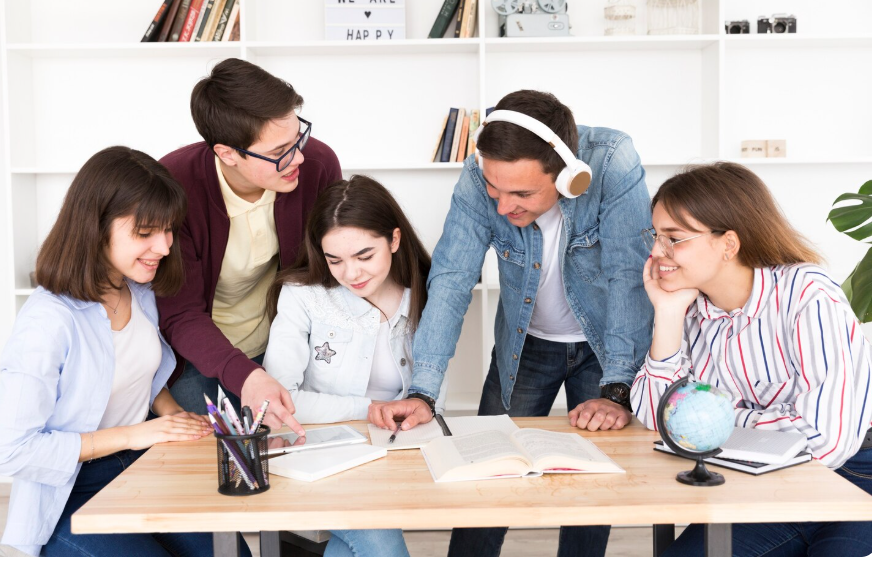
Education promotes the development of communication and teamwork skills. Group activities, discussions, and collaborative projects encourage learners to express ideas clearly and listen actively to others. These experiences cultivate empathy, cooperation, and respect for different perspectives. Strong communication abilities are essential in academic, professional, and social environments. Collaborative learning enhances confidence and prepares individuals to work effectively in diverse settings.
Encouraging Personal Growth and Self Awareness
Through education, learners gain insight into their strengths, interests, and areas for improvement. Exposure to various subjects and experiences encourages self reflection and helps students establish personal goals. Education fosters resilience and perseverance by challenging learners to overcome obstacles and learn from setbacks. This process contributes to emotional intelligence and the development of responsible, independent, and confident individuals.
Preparing for Career and Professional Development
Education plays a crucial role in equipping individuals for future careers. Knowledge and skills acquired through formal learning increase employability and competence in chosen fields. Practical experiences, internships, and training opportunities bridge the gap between theory and application. Education ensures that learners are ready to adapt to evolving industries and meet professional challenges. Continuous skill development enhances career prospects and opens doors to new opportunities.
Promoting Lifelong Learning
Education instills a mindset of continuous growth and curiosity. Individuals are encouraged to explore new ideas, acquire additional skills, and remain adaptable throughout life. Lifelong learning nurtured through education ensures personal and professional development beyond formal schooling. Curiosity and the drive to seek knowledge enable learners to embrace new opportunities and maintain intellectual engagement throughout their lives.
Enhancing Social Awareness and Responsibility
Education teaches learners to understand social issues, cultural diversity, and ethical considerations. Students develop empathy, respect, and a sense of civic responsibility. By learning about different perspectives and societal challenges, individuals are better equipped to make positive contributions to their communities. Education promotes responsible citizenship and encourages individuals to engage constructively with the world around them.
Building Confidence and Motivation
Success and progress in education strengthen self confidence and motivation. Mastering new skills or understanding complex concepts reinforces belief in one’s abilities. Education encourages goal setting, persistence, and commitment to improvement. Confidence gained through learning fosters a proactive attitude toward challenges and motivates individuals to continue seeking knowledge and achieving their objectives.
Connecting Knowledge to Real Life
Education bridges theory and practice, helping learners see the relevance of what they study. Applying knowledge to real world scenarios enhances understanding and retention. Projects, case studies, and hands on exercises make learning meaningful and practical. By connecting lessons to everyday life and professional contexts, education ensures that skills and knowledge are useful and applicable.
Creating Opportunities for a Brighter Future
Education opens doors to personal, professional, and social opportunities. It equips individuals with the knowledge, skills, and confidence needed to pursue ambitions and achieve success. By empowering minds and fostering critical thinking, education shapes individuals to adapt, overcome challenges, and contribute meaningfully to society. The transformative impact of education ensures that learners are prepared to build fulfilling lives and create positive change in the world.