Professionals reach a plateau. They’ve learned the basics. They’re competent in standard situations. Then something shifts. They realise there’s more. Deeper understanding. More nuanced skills. Advanced certification becomes appealing. Someone pursuing advanced RCG certification isn’t just adding credentials. They’re transforming how they work. How they think. How they approach their role. This isn’t incremental improvement. It’s a fundamental change in perspective. They start seeing problems differently. They understand complexities that seemed simple before. They recognise nuance in situations that appear straightforward. This transformation scares people sometimes. It reveals how much they didn’t know. But it’s essential for genuine expertise. The Knowledge Gap Nobody Discusses Basic certification creates confidence. You know the fundamentals. You handle standard cases. You function fine. Then advanced training begins, and suddenly the gaps become obvious. You didn’t understand the underlying principles. You were following protocols without comprehending why. You were missing subtle indicators. You were making decisions without full assessment. Advanced training doesn’t just add information. It reorganises everything you thought you knew. It shows how much was oversimplified. How much complexity you were missing. RCG training exposes this systematically. It’s uncomfortable. But it’s where real learning happens. How Advanced Study Changes Your Thinking Someone studies at a basic level and memorises information. They move to an advanced level and understand systems. They stop seeing isolated facts and start seeing connections. This shift is profound. They recognise patterns others miss. They anticipate problems before they develop. They understand cause and effect in complex situations. This thinking transformation takes time. It requires wrestling with difficult concepts. It demands questioning assumptions you’ve held for years. It’s exhausting mentally. But it creates genuine expertise. Practitioners at this level don’t just follow guidelines. They understand why guidelines exist. They can adapt appropriately when situations demand it. The Responsibility That Comes With Knowledge Advanced certification carries weight. You now have knowledge others don’t. You’re expected to use it. People depend on your expertise. This responsibility is real. You can’t claim ignorance anymore. You understand the consequences of decisions. You recognise risks others miss. You’re accountable for the choices you make. Advanced RCG certification means you’ve accepted this responsibility consciously. You’re no longer following someone else’s protocols. You’re making informed decisions. This is why advanced practitioners sometimes struggle. They carry knowledge that comes with obligation. They see problems that simpler practitioners overlook. They understand complexity that creates burden. Why Advanced Practitioners Question Everything Someone with basic knowledge accepts information. Someone with advanced knowledge questions it. They’ve learned enough to recognise when guidelines might be incomplete. When protocols might not fit specific situations. When standard approaches need adaptation. This question isn’t rebellion. It’s expertise. It’s understanding the principles deeply enough to recognise when rules need bending. Organisations sometimes resist this. They prefer people who follow protocols exactly. Advanced practitioners get frustrated by rigid systems. They understand nuances that rigid systems can’t accommodate. This creates tension between advanced knowledge and organisational constraints. How Advanced Practitioners See Their Field Differently Advanced study reveals the field’s limitations. You learn the accepted knowledge. You learn where certainty ends and probability begins. You understand what’s actually unknown. You recognise that experts disagree. That evidence is sometimes limited. That practice is often as much art as science. This knowledge is destabilising initially. You wanted certainty. Advanced study shows uncertainty. But this understanding is what separates genuine expertise from false confidence. You stop being dogmatic. You become appropriately humble about what you know and don’t know. The Ongoing Evolution Advanced certification isn’t an endpoint. It’s the beginning. Real experts never stop learning. They continue studying. They challenge their own understanding. They adapt as new information emerges. This is why advanced practitioners often pursue additional credentials. Not for validation. For genuine advancement. Because expertise requires constant refinement. Conclusion Advanced RCG certification represents transformation from following protocols to understanding principles deeply enough to think independently within your field. Advanced study reveals knowledge gaps in previous learning while building sophisticated thinking that recognises complexity and nuance. Practitioners move from memorising information to understanding systems. They accept responsibility that comes with knowledge. They question guidelines appropriately. They see limitations in their field honestly. This advanced understanding fundamentally changes how professionals approach their work, creating genuine expertise rather than surface competence.

Steps to Advance Your Carrer with Confidence
Understanding Your Strengths and Interests Advancing a carrer begins with a clear understanding of personal strengths and interests. Identifying what motivates and excites you helps in choosing a path that aligns with your skills and goals. Self assessment, reflection, and feedback from mentors or peers can provide valuable insights. By focusing on areas where you excel and enjoy working, you are more likely to succeed and find satisfaction in your professional journey. Setting Clear and Achievable Goals Goal setting is a crucial step in advancing a carrer. Establishing short term and long term objectives gives direction and motivation. Breaking down larger ambitions into smaller, manageable steps makes it easier to track progress and celebrate milestones. Clear goals help maintain focus, guide decision making, and create a roadmap for professional growth. Achieving incremental goals reinforces confidence and encourages continued effort toward long term success. Acquiring Relevant Skills and Knowledge Developing the right skills and knowledge is essential for career advancement. This may include formal education, certifications, professional training, or hands on experience. Continuous learning ensures that you remain competitive and adaptable in a changing work environment. By investing time in skill development, you improve competence and increase opportunities for advancement. Knowledge and expertise create a strong foundation for growth and success. Gaining Practical Experience Practical experience is invaluable for moving forward in a carrer. Internships, volunteer work, projects, and on the job training provide hands on exposure that complements theoretical knowledge. Real world experiences develop problem solving, decision making, and interpersonal skills. They also demonstrate capability and readiness to take on more responsibility. Gaining practical experience builds confidence and prepares you for higher level roles and challenges. Networking and Building Relationships Professional relationships play a key role in career advancement. Networking with colleagues, mentors, and industry professionals can provide guidance, opportunities, and support. Attending events, joining professional groups, and maintaining connections helps you learn from others and discover new possibilities. Strong networks can open doors to growth, provide advice during challenges, and enhance visibility in your field. Embracing Change and Developing Resilience Adapting to changes and overcoming setbacks is vital for advancing a carrer. Industries, technologies, and roles evolve over time, and being flexible allows you to seize opportunities. Resilience helps you face challenges without losing focus on your goals. Learning from experiences and remaining positive enables steady growth. Adaptability and perseverance are essential traits for achieving long term professional success. Taking Initiative and Leadership Opportunities Actively seeking opportunities to contribute and lead demonstrates commitment and capability. Volunteering for challenging tasks, proposing innovative ideas, and participating in projects can highlight your strengths and potential. Taking initiative shows motivation and positions you for advancement. Leadership experiences help develop decision making, communication, and organizational skills that are valuable for moving forward in any carrer. Balancing Professional and Personal Life Maintaining a balance between work and personal life is important for sustained growth. Effective time management, self care, and prioritization prevent burnout and enhance productivity. A healthy balance supports creativity, focus, and motivation. By managing professional responsibilities alongside personal well being, you can maintain consistent performance and continue progressing toward your career goals. Seeking Feedback and Continuous Improvement Regular feedback from mentors, peers, or supervisors helps identify areas for improvement. Constructive criticism encourages development and enhances skills. Continuous self improvement ensures you remain competitive and proactive. Committing to learning and growth allows you to refine your abilities, strengthen performance, and increase your chances of career advancement. Embracing Opportunities for Growth A successful carrer is shaped by embracing opportunities and taking proactive steps toward advancement. By being open to new experiences, challenges, and learning, you can expand your knowledge, develop valuable skills, and reach your professional goals. Consistent effort, adaptability, and confidence allow you to navigate the path to success and build a fulfilling and rewarding career.

Building Knowledge and Skills Through Distance Learning
Expanding Access to Education Distance learning provides the opportunity to access education from anywhere in the world. Individuals can participate in courses offered by institutions that may otherwise be unavailable due to location or scheduling constraints. This accessibility allows learners to pursue their goals without relocating or disrupting other commitments. By removing geographical barriers, distance learning ensures that more people can develop knowledge and skills effectively and conveniently. Encouraging Self Discipline and Time Management Participating in distance learning requires a high level of self discipline and time management. Students must plan study schedules, meet deadlines, and stay motivated without direct supervision. These skills are valuable not only for academic success but also for professional and personal life. Developing the ability to organize time and prioritize tasks through distance learning enhances independence and fosters a sense of responsibility that benefits all areas of growth. Personalized and Flexible Learning Distance learning platforms often offer customizable courses that allow learners to focus on areas where they need improvement and progress at their own pace. This flexibility enables individuals to tailor their educational experience according to their needs, learning styles, and goals. By adjusting the pace and revisiting challenging topics, students can achieve a deeper understanding and retain knowledge more effectively. Personalized learning enhances motivation and supports continuous development. Enhancing Technical Skills Engaging in distance learning involves using digital platforms, online communication tools, and interactive resources. This exposure helps learners become more comfortable with technology, which is increasingly important in modern workplaces. Familiarity with digital tools enhances problem solving, communication, and collaboration skills. Technical competence gained through distance learning prepares individuals for professional environments and promotes confidence in navigating technology-based tasks. Providing Opportunities for Collaboration Although distance learning occurs remotely, many programs incorporate group projects, discussion forums, and peer feedback. These collaborative elements help learners communicate effectively, share perspectives, and develop teamwork skills. Interaction with peers from diverse backgrounds also fosters cultural awareness and empathy. Collaboration in a virtual environment builds confidence and prepares individuals to work efficiently in both professional and social settings. Supporting Lifelong Learning Distance learning encourages a habit of continuous education and personal growth. Learners are motivated to explore new subjects, acquire new skills, and remain adaptable in a changing world. This approach nurtures curiosity and promotes the pursuit of knowledge beyond formal education. Lifelong learning through distance education ensures that individuals can enhance their expertise, stay competitive, and embrace opportunities for growth throughout their lives. Applying Knowledge in Real World Contexts Many distance learning courses emphasize practical application of knowledge through projects, case studies, and simulations. Learners can connect theoretical concepts to real world situations, enhancing understanding and retention. Applying knowledge in meaningful ways strengthens problem solving and decision making skills. This practical approach ensures that learning is relevant, empowering students to use their skills effectively in personal and professional contexts. Boosting Confidence and Motivation Achieving milestones and completing courses through distance learning provides a sense of accomplishment. Recognition of progress boosts confidence and encourages learners to continue their educational journey. Success in a flexible, self directed environment reinforces motivation and instills the belief that challenges can be overcome. Distance learning empowers individuals to take control of their growth and pursue goals with determination. Making Education Inclusive and Accessible Distance learning often accommodates different learning styles and abilities, ensuring that a wide range of students can engage effectively. Features such as video lectures, interactive exercises, and accessible resources provide opportunities for diverse learners to participate. Inclusivity in learning promotes equity and empowers individuals to develop their skills and knowledge regardless of circumstances. This approach strengthens personal growth and prepares students to succeed in multiple environments. Preparing for Future Opportunities By combining flexibility, accessibility, and practical learning, distance learning equips individuals with the skills and knowledge needed for future academic and professional endeavors. Learners gain independence, technical competence, and problem solving abilities that enhance employability and personal growth. The experience fosters adaptability, resilience, and confidence, enabling students to pursue opportunities and achieve success in their chosen paths.
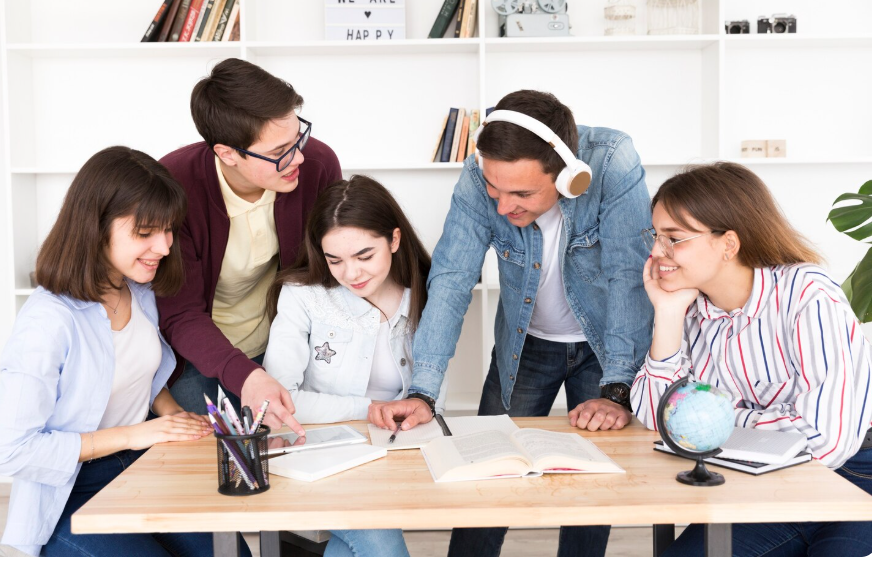
How Education Empowers Minds and Shapes Futures
Expanding Knowledge and Understanding Education provides individuals with the tools to explore new ideas and gain a deeper understanding of the world. Access to structured learning, resources, and guidance helps learners develop critical thinking and analytical skills. Engaging with diverse subjects allows students to connect concepts, solve problems, and make informed decisions. Education encourages curiosity and intellectual growth, enabling individuals to approach challenges with confidence and a well rounded perspective. Developing Problem Solving and Critical Thinking Skills A significant benefit of education is the enhancement of problem solving and critical thinking abilities. Learners are taught to evaluate information, analyze situations, and consider multiple solutions. These skills are essential for personal decision making and professional success. By practicing reasoning and logic, individuals strengthen their ability to handle complex issues and approach challenges thoughtfully. Education equips students with the tools needed to think independently and creatively. Building Communication and Collaboration Skills Education promotes the development of communication and teamwork skills. Group activities, discussions, and collaborative projects encourage learners to express ideas clearly and listen actively to others. These experiences cultivate empathy, cooperation, and respect for different perspectives. Strong communication abilities are essential in academic, professional, and social environments. Collaborative learning enhances confidence and prepares individuals to work effectively in diverse settings. Encouraging Personal Growth and Self Awareness Through education, learners gain insight into their strengths, interests, and areas for improvement. Exposure to various subjects and experiences encourages self reflection and helps students establish personal goals. Education fosters resilience and perseverance by challenging learners to overcome obstacles and learn from setbacks. This process contributes to emotional intelligence and the development of responsible, independent, and confident individuals. Preparing for Career and Professional Development Education plays a crucial role in equipping individuals for future careers. Knowledge and skills acquired through formal learning increase employability and competence in chosen fields. Practical experiences, internships, and training opportunities bridge the gap between theory and application. Education ensures that learners are ready to adapt to evolving industries and meet professional challenges. Continuous skill development enhances career prospects and opens doors to new opportunities. Promoting Lifelong Learning Education instills a mindset of continuous growth and curiosity. Individuals are encouraged to explore new ideas, acquire additional skills, and remain adaptable throughout life. Lifelong learning nurtured through education ensures personal and professional development beyond formal schooling. Curiosity and the drive to seek knowledge enable learners to embrace new opportunities and maintain intellectual engagement throughout their lives. Enhancing Social Awareness and Responsibility Education teaches learners to understand social issues, cultural diversity, and ethical considerations. Students develop empathy, respect, and a sense of civic responsibility. By learning about different perspectives and societal challenges, individuals are better equipped to make positive contributions to their communities. Education promotes responsible citizenship and encourages individuals to engage constructively with the world around them. Building Confidence and Motivation Success and progress in education strengthen self confidence and motivation. Mastering new skills or understanding complex concepts reinforces belief in one’s abilities. Education encourages goal setting, persistence, and commitment to improvement. Confidence gained through learning fosters a proactive attitude toward challenges and motivates individuals to continue seeking knowledge and achieving their objectives. Connecting Knowledge to Real Life Education bridges theory and practice, helping learners see the relevance of what they study. Applying knowledge to real world scenarios enhances understanding and retention. Projects, case studies, and hands on exercises make learning meaningful and practical. By connecting lessons to everyday life and professional contexts, education ensures that skills and knowledge are useful and applicable. Creating Opportunities for a Brighter Future Education opens doors to personal, professional, and social opportunities. It equips individuals with the knowledge, skills, and confidence needed to pursue ambitions and achieve success. By empowering minds and fostering critical thinking, education shapes individuals to adapt, overcome challenges, and contribute meaningfully to society. The transformative impact of education ensures that learners are prepared to build fulfilling lives and create positive change in the world.

How E Learning Transforms Education and Skill Development
Expanding Access to Learning Opportunities E learning provides access to education for individuals regardless of their location or schedule. Online courses, webinars, and digital resources allow learners to study from anywhere and at any time. This flexibility makes it possible for people to pursue knowledge without interrupting work, family responsibilities, or other commitments. By removing traditional barriers, e learning ensures that more individuals can enhance their skills and expand their understanding effectively. Encouraging Self Discipline and Time Management Participating in e learning requires learners to manage their own schedules and stay motivated independently. Students must plan study sessions, meet deadlines, and stay focused on their goals. These experiences develop essential skills such as self discipline, organization, and prioritization. Mastering these abilities not only improves academic performance but also prepares individuals for professional challenges and personal responsibilities. Offering Personalized Learning Experiences Many e learning platforms provide customized content that adapts to individual needs. Learners can focus on areas that require more attention and progress at their own pace. This personalization ensures that students can fully grasp difficult concepts while moving quickly through topics they already understand. Tailored learning increases comprehension, retention, and motivation, allowing each individual to maximize their potential and achieve meaningful progress. Enhancing Technical Skills Engaging in e learning helps learners become familiar with digital tools, online collaboration platforms, and multimedia resources. These technical skills are increasingly important in modern professional environments. Comfort with technology improves efficiency, communication, and problem solving. E learning equips individuals to navigate digital platforms confidently, which is an essential skill for both personal and career development. Supporting Collaboration and Communication Despite being online, many e learning programs encourage collaboration through discussion forums, group projects, and peer feedback. These interactions teach students how to express ideas clearly, listen actively, and work effectively in teams. Exposure to different perspectives fosters empathy and social awareness. Collaboration in virtual settings builds confidence and prepares learners to communicate and cooperate successfully in professional and social environments. Promoting Lifelong Learning E learning encourages continuous education and curiosity. Learners are motivated to explore new subjects, develop additional skills, and remain adaptable in a changing world. This habit of lifelong learning supports personal and professional growth. Individuals who engage in ongoing learning are more likely to seize opportunities, adapt to challenges, and maintain an edge in their chosen fields. Applying Knowledge Practically Many e learning courses include practical exercises, case studies, and interactive simulations. These opportunities allow learners to apply theoretical knowledge to real world situations. Practical application enhances understanding, retention, and problem solving skills. By connecting lessons to meaningful experiences, e learning ensures that knowledge is relevant and useful in everyday and professional contexts. Building Confidence and Motivation Completing online courses and achieving milestones fosters a sense of accomplishment. Recognition of progress builds confidence and motivates learners to continue developing their skills. E learning empowers individuals to take charge of their education, set goals, and persist in overcoming challenges. Confidence gained through structured online learning encourages further exploration and personal growth. Making Education Inclusive and Accessible E learning caters to different learning styles and abilities, offering visual, auditory, and interactive resources. Accessibility features such as subtitles, adjustable content, and multiple formats ensure that all learners can engage effectively. Inclusive learning environments empower students to succeed regardless of their background or limitations. This approach enhances skill development and promotes equity in education. Preparing for Future Opportunities E learning equips individuals with knowledge, skills, and confidence to pursue advanced studies, professional development, and personal goals. Students gain independence, technical competence, and problem solving abilities that enhance their readiness for future challenges. By fostering adaptability, perseverance, and critical thinking, e learning transforms education into a pathway for long term success and meaningful achievement.

Transforming Learning and Careers Through Online Education
Expanding Access to Knowledge Online education provides opportunities for learners to access courses and programs from anywhere in the world. This flexibility allows individuals to study without the constraints of location or traditional schedules. Students can balance education with work, family, or personal commitments, making it easier to pursue their goals. By breaking down barriers to learning, online education ensures that more people have the chance to develop valuable knowledge and skills. Encouraging Self Discipline and Time Management Participating in online education requires learners to manage their own schedules and stay motivated independently. Students must plan study sessions, meet deadlines, and maintain focus on their objectives. Developing these skills strengthens self discipline, organization, and accountability. These qualities are valuable not only for academic success but also for personal growth and professional advancement. Providing Personalized Learning Experiences Many online education platforms offer customized content that adapts to the learner’s needs. Individuals can focus on areas where improvement is needed and progress at their own pace. This personalization helps ensure better understanding and retention of information. Learners gain confidence as they master challenging concepts and advance in topics that align with their goals and interests. Enhancing Technical and Digital Skills Engaging in online education familiarizes students with digital platforms, communication tools, and interactive resources. These experiences improve technological literacy and adaptability in modern environments. Technical competence gained through online learning is increasingly important in professional contexts. Students develop skills to navigate digital tools efficiently, enhancing both personal and career opportunities. Fostering Collaboration and Communication Despite being conducted remotely, online education often incorporates group projects, discussions, and peer feedback. These activities allow learners to communicate effectively, share perspectives, and collaborate on tasks. Interaction with peers from diverse backgrounds promotes empathy and social awareness. Collaborative experiences build teamwork abilities and prepare individuals to succeed in professional and social settings. Supporting Lifelong Learning and Curiosity Online education encourages continuous learning beyond formal studies. Learners are motivated to explore new subjects, acquire additional skills, and remain adaptable in a changing world. Lifelong learning nurtured through online programs ensures personal growth and professional development. Curiosity and a commitment to ongoing education empower individuals to seize opportunities and maintain a competitive edge. Applying Knowledge Practically Many online education programs emphasize real world applications through projects, simulations, and case studies. Learners can apply theoretical knowledge to practical situations, enhancing comprehension and retention. Connecting learning to meaningful experiences strengthens problem solving, decision making, and analytical skills. Practical application ensures that knowledge gained through online education is relevant and useful in everyday and professional contexts. Building Confidence and Motivation Achieving milestones and completing courses through online education fosters a sense of accomplishment. Recognition of progress boosts self confidence and encourages continued engagement with new topics. Learners are motivated to take initiative, embrace challenges, and pursue goals with determination. Online education empowers individuals to take control of their learning and personal growth. Promoting Inclusivity and Accessibility Online education is often designed to accommodate various learning styles and abilities. Features such as video lectures, interactive exercises, and accessible resources ensure that all learners can engage effectively. This inclusivity supports equitable opportunities for education, allowing individuals to succeed regardless of background or limitations. Accessible learning strengthens skills and promotes confidence for all participants. Preparing for Career and Life Opportunities Online education equips learners with knowledge, skills, and confidence to pursue future academic and professional goals. Individuals gain independence, adaptability, and problem solving abilities that enhance career readiness. By providing flexible, practical, and engaging learning experiences, online education transforms lives and opens doors to success. It empowers learners to grow intellectually, achieve meaningful objectives, and contribute positively to society.
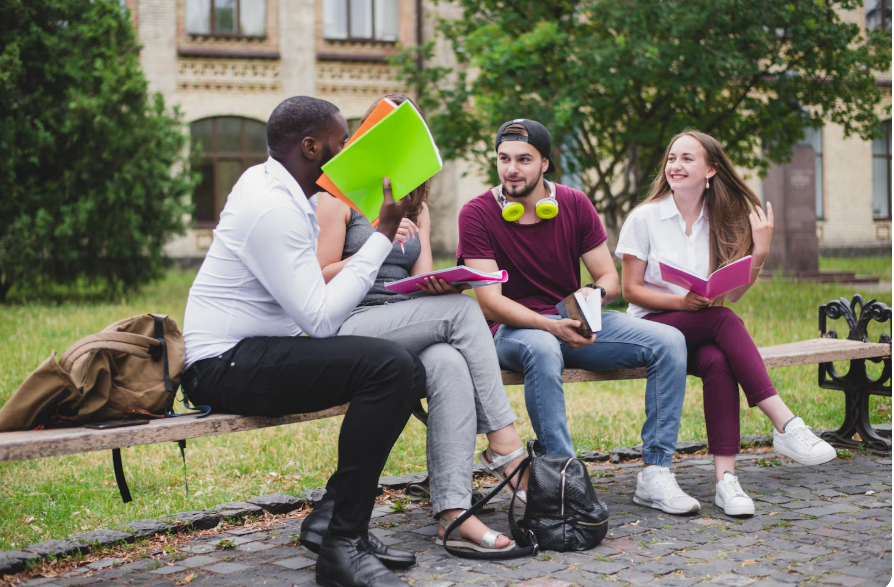
Embracing Student Life for Learning and Personal Development
Balancing Academics and Personal Growth Student life provides a unique opportunity to balance academic responsibilities with personal development. Managing study schedules, attending classes, and completing assignments teaches time management and self discipline. At the same time, students explore interests outside of academics through clubs, hobbies, and social activities. This balance encourages holistic growth, allowing individuals to develop intellectually, emotionally, and socially while preparing for future challenges. Developing Social and Communication Skills Interacting with peers, teachers, and mentors is a fundamental aspect of student life. Group projects, classroom discussions, and extracurricular activities help students express their ideas clearly and listen actively. These experiences enhance communication skills and build the ability to work effectively in teams. Developing social skills through student life fosters empathy, collaboration, and leadership qualities that are valuable both during studies and in professional settings. Encouraging Independence and Responsibility Student life encourages individuals to take responsibility for their actions and decisions. Managing personal schedules, handling academic obligations, and navigating new environments foster independence. Students learn to prioritize tasks, solve problems, and make informed choices. These experiences build confidence and prepare individuals to handle responsibilities in both personal and professional life. Exploring Interests and Building Skills Beyond academics, student life offers opportunities to explore diverse interests and talents. Participation in arts, sports, volunteering, or research projects allows students to discover passions and develop practical skills. Engaging in various activities encourages creativity, critical thinking, and adaptability. The skills gained through these experiences contribute to personal growth and provide a strong foundation for future success. Building Meaningful Relationships Forming friendships and connections is a vital part of student life. Collaborative activities, social events, and shared experiences help students develop lasting relationships. Strong interpersonal bonds provide emotional support, encourage collaboration, and create a sense of community. These relationships foster networking opportunities and enhance social confidence, which are beneficial in academic, professional, and personal contexts. Developing Resilience and Problem Solving Abilities Student life often presents challenges such as academic pressure, time constraints, or social adjustments. Facing these obstacles helps individuals develop resilience and problem solving skills. Learning to manage stress, adapt to new situations, and overcome difficulties strengthens character and determination. These abilities are essential for navigating both educational journeys and real world experiences effectively. Encouraging Personal Reflection and Goal Setting Student life provides a space for self reflection and goal setting. Individuals assess their strengths, weaknesses, and aspirations while pursuing educational and personal objectives. This reflection encourages a proactive approach to learning and personal development. Setting goals and working toward them fosters motivation, accountability, and a sense of achievement that carries forward into professional and personal life. Engaging in Leadership and Teamwork Opportunities for leadership and teamwork are abundant in student life. Leading a club, organizing events, or collaborating on group projects teaches decision making, responsibility, and coordination. These experiences strengthen confidence and help students understand the importance of cooperation and collective effort. Leadership and teamwork skills gained during student life are essential for success in future careers and community involvement. Fostering Cultural Awareness and Inclusivity Student life often exposes individuals to diverse cultures, ideas, and perspectives. Engaging with peers from different backgrounds promotes understanding, tolerance, and empathy. Exposure to diversity enriches personal development and prepares students to thrive in global and multicultural environments. Cultivating inclusivity and cultural awareness during student life encourages respectful interactions and broadens horizons. Preparing for Future Opportunities The experiences, skills, and knowledge gained during student life prepare individuals for future academic, professional, and personal opportunities. Balancing responsibilities, exploring interests, and building meaningful relationships equips students with confidence and adaptability. By embracing student life fully, individuals develop the foundation needed to pursue goals, achieve success, and lead fulfilling lives while contributing positively to society.

How Learning Transforms Lives and Opens Opportunities
Expanding Knowledge and Understanding Learning provides individuals with the ability to explore new ideas and gain a deeper understanding of the world. Engaging with various subjects helps develop critical thinking, analytical skills, and the ability to solve problems. Exposure to diverse knowledge encourages curiosity and fosters intellectual growth. Through consistent learning, individuals gain the tools to approach challenges thoughtfully and make informed decisions that positively impact their personal and professional lives. Developing Problem Solving and Critical Thinking Skills A key advantage of learning is the development of problem solving and critical thinking abilities. By analyzing information, evaluating options, and applying knowledge, learners strengthen their reasoning skills. These abilities are essential for navigating complex situations in both academic and real world contexts. Learning encourages independent thought and creativity, enabling individuals to find innovative solutions and make confident decisions in various aspects of life. Enhancing Communication and Collaboration Learning often involves interaction with peers, mentors, and educators. Group projects, discussions, and collaborative activities help develop effective communication skills and the ability to work well in teams. Engaging with others teaches individuals to listen actively, articulate ideas clearly, and consider different perspectives. These experiences cultivate empathy and social awareness, preparing learners to succeed in professional environments and contribute positively to their communities. Encouraging Personal Growth and Self Awareness Through learning, individuals gain insight into their strengths, weaknesses, and interests. Exposure to new ideas and experiences promotes self reflection and helps learners set meaningful goals. Facing challenges and overcoming obstacles during the learning process builds resilience, confidence, and emotional intelligence. Personal growth achieved through learning supports responsible decision making and empowers individuals to pursue opportunities with determination. Supporting Professional Development Learning equips individuals with the knowledge and skills needed for career advancement. Acquiring expertise through courses, training programs, or practical experiences increases employability and competence in chosen fields. Continuous learning ensures adaptability in a changing work environment and prepares individuals to take on greater responsibilities. Professional growth achieved through learning opens doors to new opportunities and positions individuals for long term success. Fostering Lifelong Curiosity One of the most valuable aspects of learning is the development of a habit of lifelong curiosity. Individuals who embrace learning are motivated to explore new subjects, acquire additional skills, and stay informed throughout their lives. Lifelong learning encourages adaptability, personal enrichment, and the pursuit of knowledge beyond formal education. Curiosity and the desire to learn create a foundation for ongoing growth and meaningful achievements. Applying Knowledge in Real Life Learning becomes more impactful when knowledge is applied in practical contexts. Real world projects, case studies, and hands on experiences help learners connect concepts to everyday situations. Applying knowledge enhances comprehension, retention, and problem solving skills. By seeing the relevance of what they learn, individuals are better equipped to make informed decisions, address challenges, and contribute effectively in personal and professional settings. Building Confidence and Motivation Achieving milestones through learning fosters a sense of accomplishment. Recognition of progress builds self confidence and encourages continued engagement with new topics. Learning challenges individuals to step out of their comfort zones, persist through difficulties, and celebrate successes. This motivation drives ongoing growth and empowers learners to embrace new opportunities with enthusiasm and determination. Promoting Social Awareness and Responsibility Learning often introduces individuals to diverse perspectives, cultures, and global issues. Exposure to these ideas develops empathy, ethical understanding, and a sense of civic responsibility. Learners gain insight into societal challenges and learn to make positive contributions to their communities. Social awareness cultivated through learning encourages responsible actions and strengthens the ability to engage constructively with the world. Creating Opportunities for a Brighter Future Learning opens doors to personal, professional, and social opportunities. It equips individuals with the skills, knowledge, and confidence to pursue ambitions and achieve success. By fostering curiosity, critical thinking, and resilience, learning empowers individuals to overcome challenges, seize opportunities, and build fulfilling lives. The transformative power of learning ensures that individuals are prepared to shape their futures and make meaningful contributions to society.